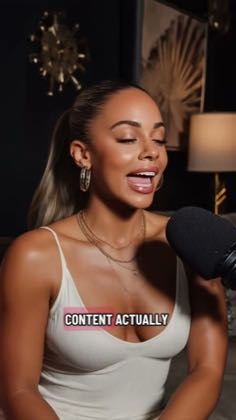
 0:30
0:30Plays here · Open on tiktok ↗
“Most AI content actually looks fake and honestly everyone can tell.”
The opening line · 0:00 · move: problem
Opens on the uncanny avatar, clone, or translated result, then reconstructs the HeyGen workflow so the reveal becomes reproducible proof.
@justafacelesscreator · 213 followers · 1 of 1 recent posts mention HeyGen · creator page →
- 0:00Most AI content actually looks fake
- 0:02and honestly everyone can tell.
- 0:03- And you probably can't guess it,
Let the synthetic twin perform first, then reveal that one short capture can multiply the same creator across scenes, scripts, and languages without another shoot.
Short-form creators carrying #HeyGenPartner, from AI educators to general business and creator-workflow accounts · 48 creators · 48 posts
Open the full playbook →
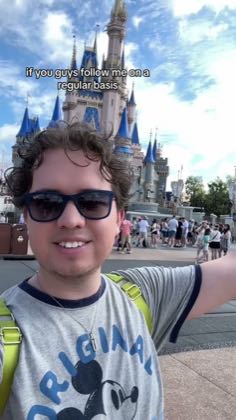
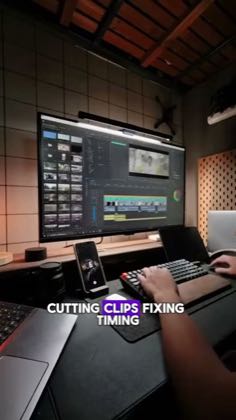
this post · other creators who ran it
@justafacelesscreatortiktok · 213 followers · median 5.2K views · n=1best post5.1Kviews · for HeyGenUnknown “How to make AI avatar content that doesn’t look fake using HeyGen #he...” identifies heygen; public caption checked, commercial relationship unverified — https://www.tiktok.com/@justafacelesscreator/video/7636834721720175902Open creator →Views and likes are public counts at capture time. The multiple compares this post with the creator’s own recent median, not a claim about what caused its reach. Read the methodology →