 2:27
2:27Plays here · Open on youtube ↗
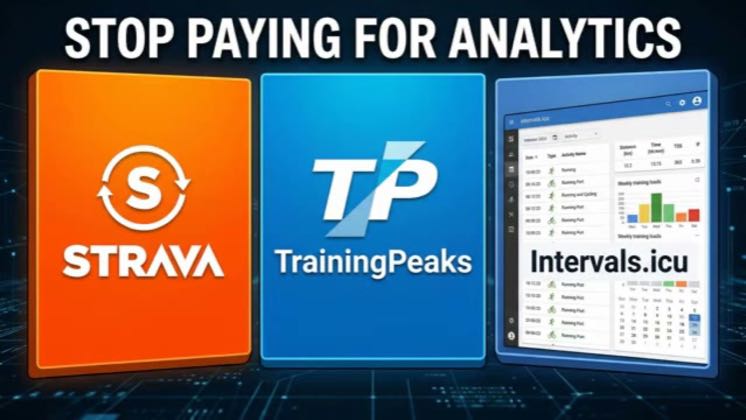
“STOP PAYING FOR ANALYTICS”
The opening line · 0:00 · move: command
Frames Strava through a concrete tradeoff in “Running Data Guide: Strava vs TrainingPeaks vs Intervals.icu (2026),” using the creator’s own experience instead of a generic feature claim.
@Lab4Run · 195 followers · 0 of 15 recent posts mention Strava · creator page →
- 0:00You can get professional grade training analytics worth $120 a year for exactly $0.
- 0:06If you stop relying on the app that controls your social life, your GPS watch collects the data.
- 0:12But where that data lives determines if you actually get faster or just get cutos,
Meet the athlete at an explicit purchase decision, compare the same training job across alternatives, and translate feature differences into a practical tradeoff.
Running and cycling reviewers comparing Strava Free, Strava Premium, Runna, Nike Run Club, Garmin, and TrainingPeaks · 45 creators · 53 posts
Open the full playbook →

this post · other creators who ran it
@Lab4Runyoutube · 195 followers · median 57 views · n=60best post84814.9×views · for StravaUnknown Retained posts and the independently scanned recent feed were checked; public evidence proves Strava attribution, while the commercial relationship remains unverified.Open creator →Views and likes are public counts at capture time. The multiple compares this post with the creator’s own recent median, not a claim about what caused its reach. Read the methodology →