 0:45
0:45Plays here · Open on youtube ↗
“Most prompt errors start before generation when the system misreads the request.”
The opening line · 0:00 · move: problem
Starts with a token, debugging, or reliability objection and resolves it inside the product instead of hiding the cost of iteration: Shard Protocol: Structure AI prompts before they fail (Bolt.new).
@Marcos Rezende · 31 followers · 1 of 23 recent posts mention Bolt.new · creator page →
- 0:00Most prompt errors start before generation when the system misreads the
- 0:05request. Shard protocol introduces a logic layer before execution. Each input is
- 0:12broken into structured components for review and refinement. The interface
Open on wasted tokens, a broken build, or lost work, then demonstrate the setting or recovery move that keeps the user shipping.
Reviewers and how-to channels answering the objections that appear after the first successful prototype · 10 creators · 10 posts
Open the full playbook →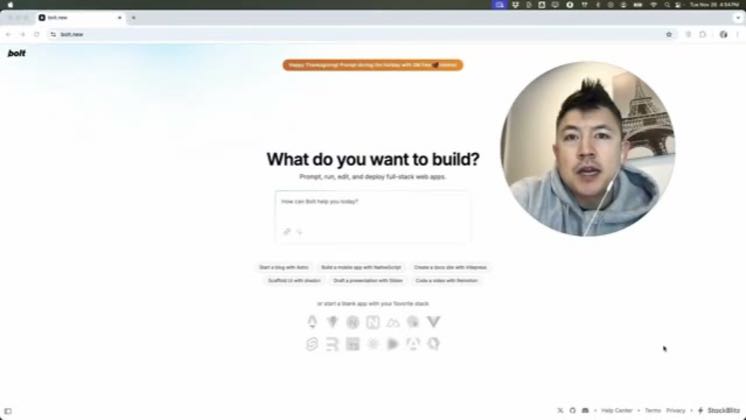
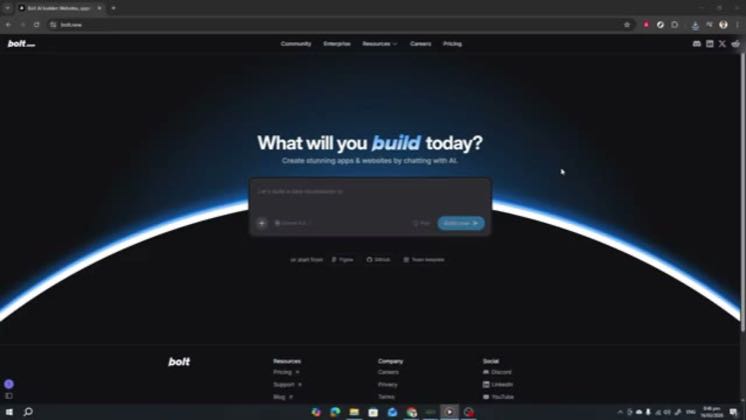
this post · other creators who ran it
@Marcos Rezendeyoutube · 31 followers · median 163 views · n=23best post2.5K15.2×views · for Bolt.newUnknown “Shard Protocol: Structure AI prompts before they fail (Bolt.new)” identifies Bolt.new; public caption checked, commercial relationship unverified — https://www.youtube.com/watch?v=DXWE6jiPdKsOpen creator →Views and likes are public counts at capture time. The multiple compares this post with the creator’s own recent median, not a claim about what caused its reach. Read the methodology →