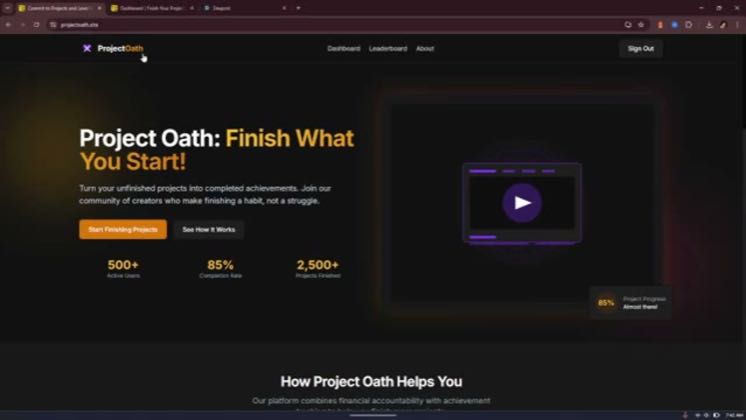
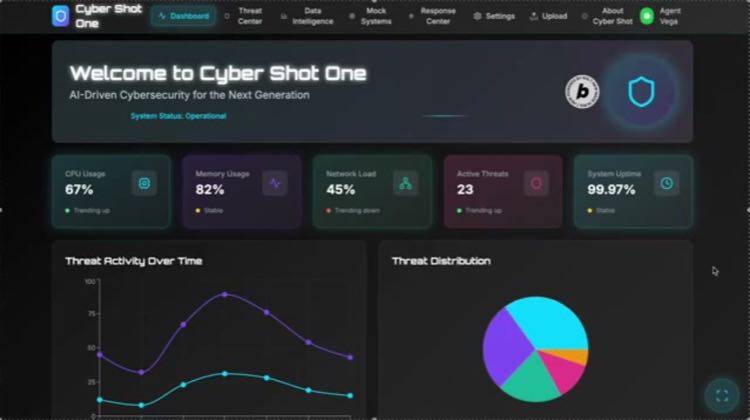
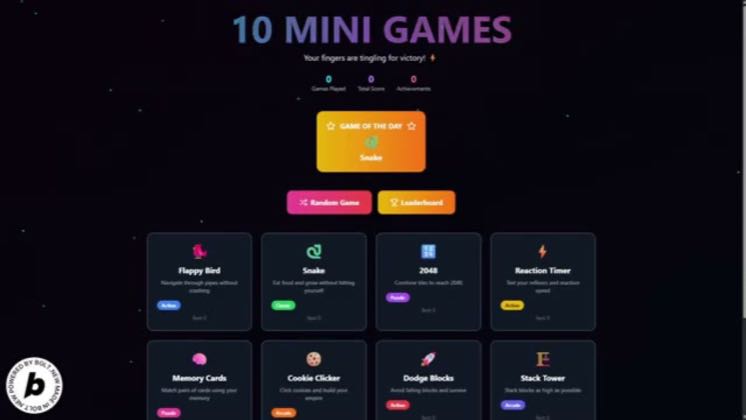
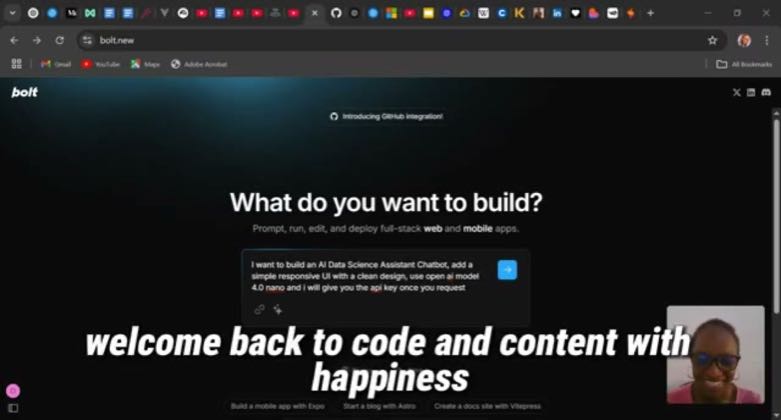
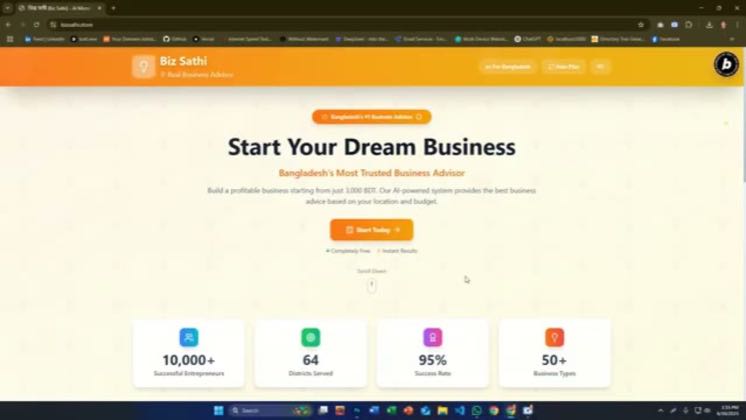
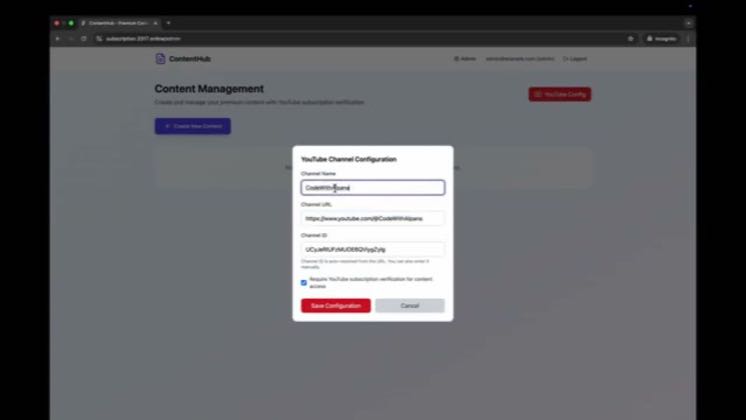
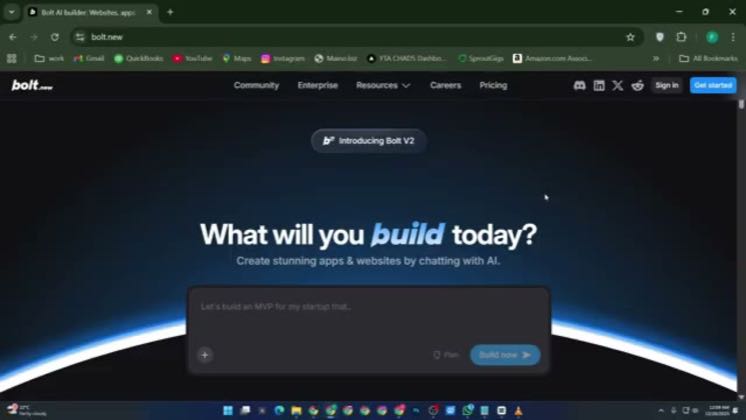
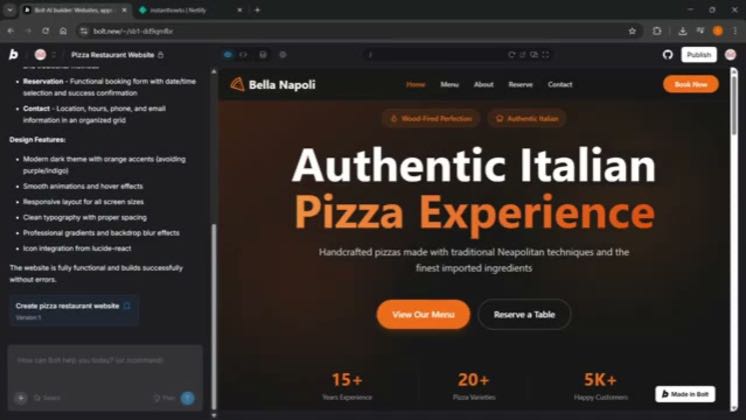
In this 123-creator sample, Bolt.new does not rely on one tutorial genre. Forty-eight posts are named hackathon or category-challenge entries: independent builders pitch their own finished products, while the construction credit repeatedly points back to Bolt.new.
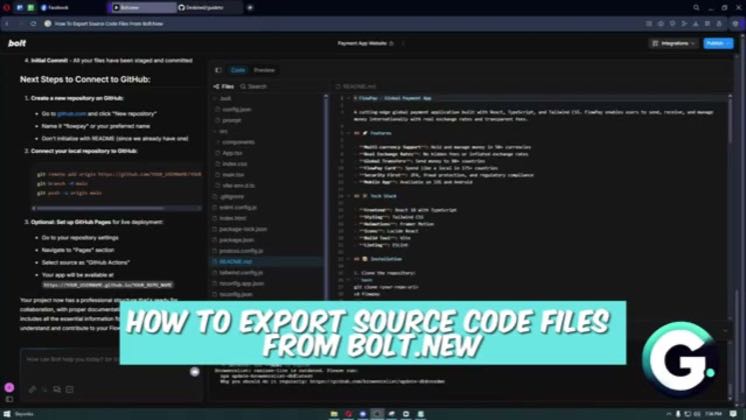
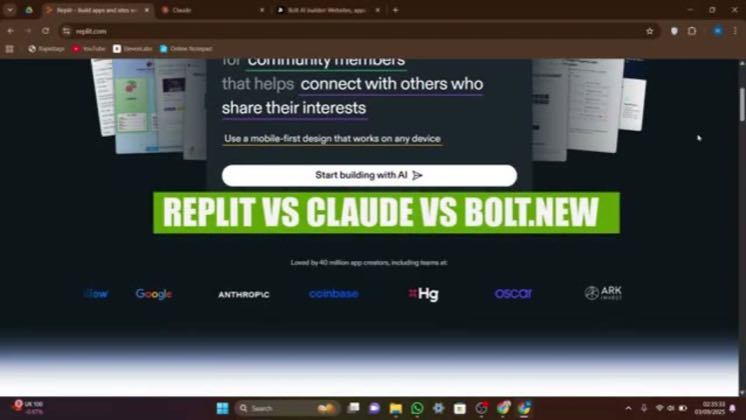
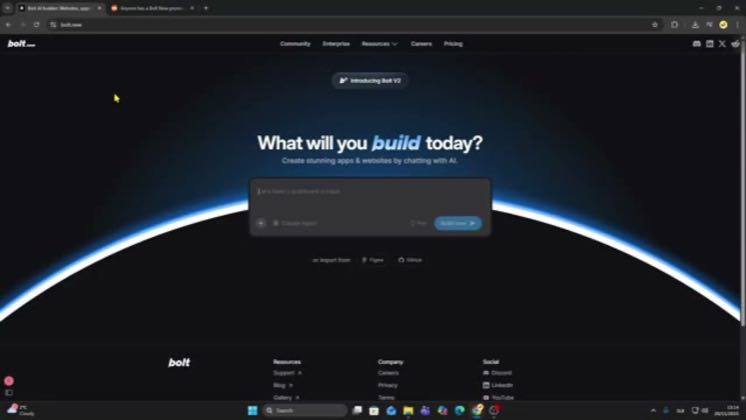
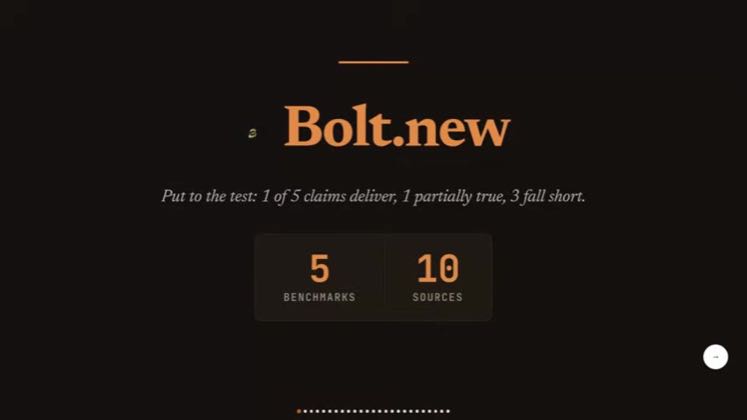
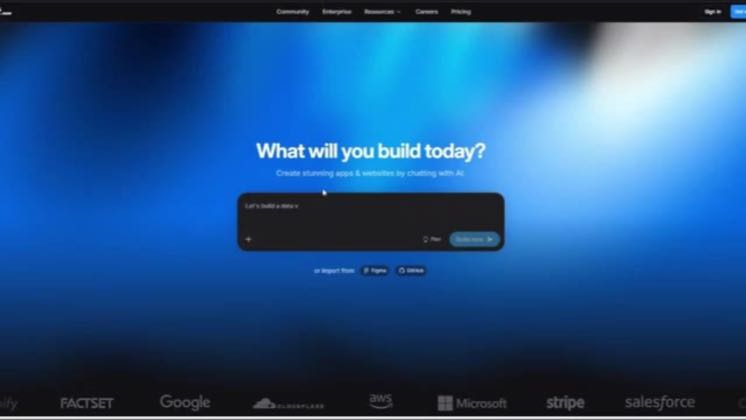
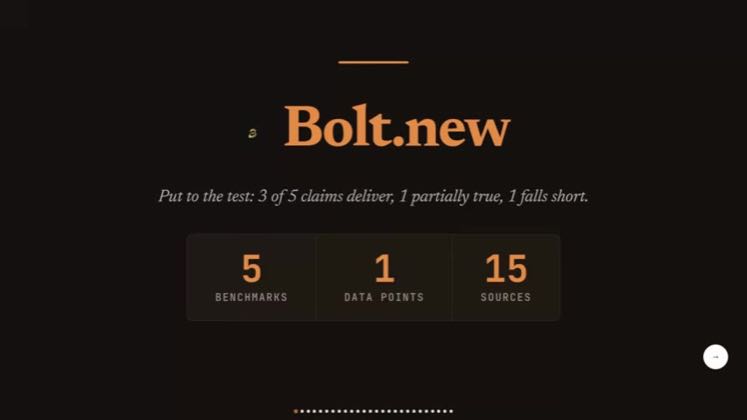
Another 31 posts teach the build or the last mile from export through deployment; thirteen compare builders, and eight turn token cost, breakage, or recovery into the hook. The latest editorial layer separates three evidence styles: EasyInternet scrolls the real public interface and product pages while covering pricing and tradeoffs without completing a build; two Bryan Software reviews test vendor claims against benchmarks and community reports, limiting the recommendation to prototypes while warning about prompt overload, secrets, token burn, project size, production rework, and hosting cancellation.
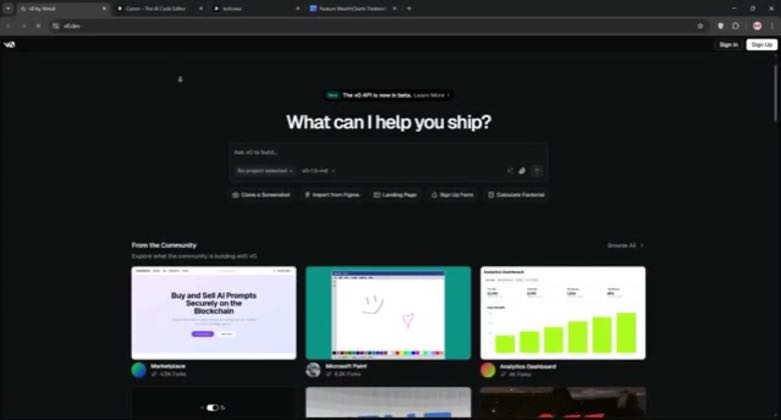
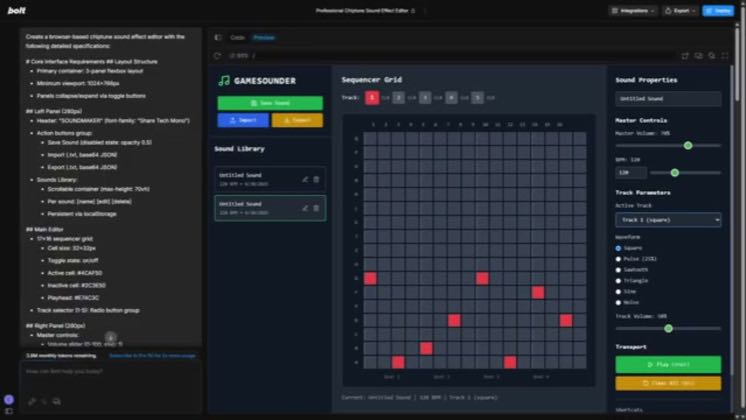
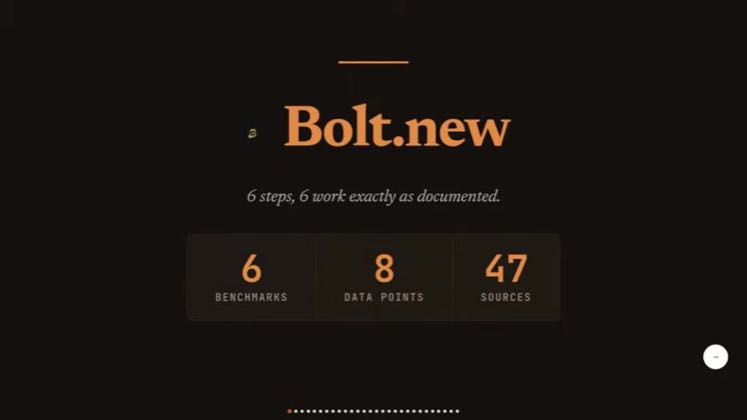
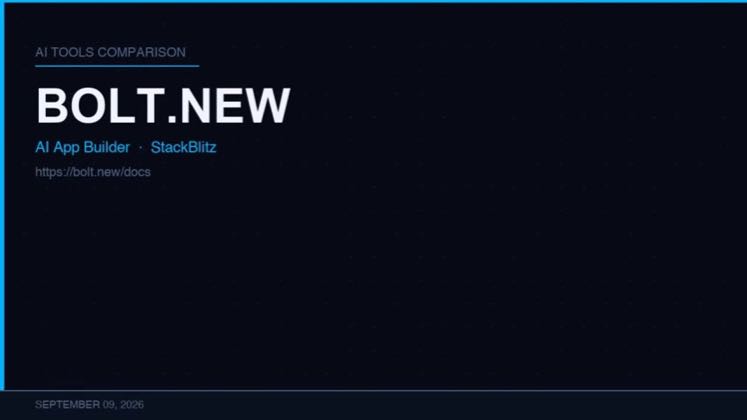
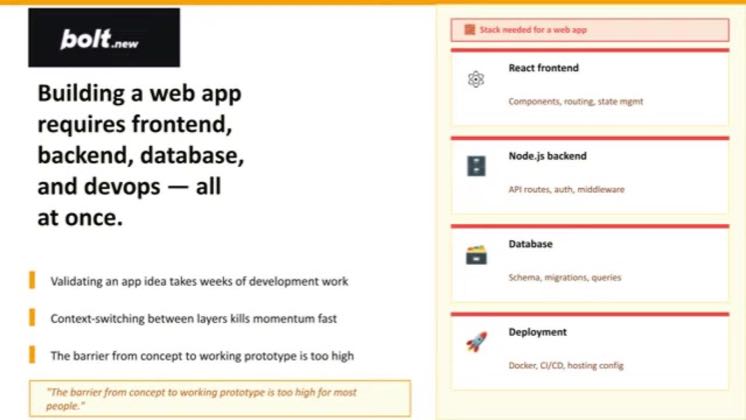
A fourth templated review repeats generic evaluation language over documentation screens; it is retained as observable low-fidelity distribution rather than treated as workflow proof. A fifth slide-based explainer turns full-stack setup pain into prompt-to-app claims without showing Bolt.new running.
The two largest observed posts—1.2M and 318K views—compress app creation or a GitHub-to-Bolt trick into a native short, but the long tail is a distributed portfolio of working apps. Public relationship evidence is much narrower than the volume: 48 contest participants, three disclosed referral/affiliate links, five organic comparison or review publishers with positive competing-tool evidence, and 67 unknown relationships.
Bolt's public referral rewards are therefore treated as referral evidence, never sponsorship. Two accounts qualify for the behavioural Ambassador cohort while retaining an `unknown` stored relationship: @buildwith_bobby has 30 of 30 recent captions naming Bolt.new, and Supercharge for Bolt has five of eight.
The sample is YouTube-heavy (121 YouTube, four TikTok) and describes the observed production system, not the full market.

 428×▶1.2M@nategold.ai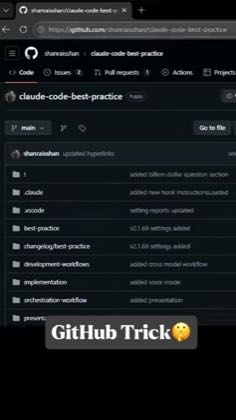

 +2024creators ran it · 24 posts6 of 24 beat 2× their own median · best 1.2M · 2 past 100K