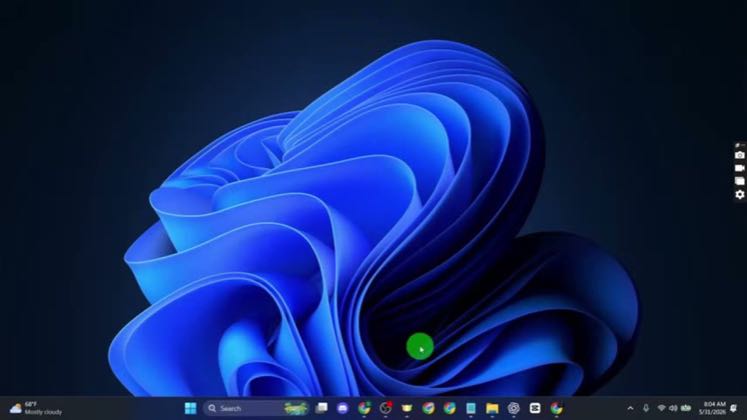
 1:37
1:37Plays here · Open on youtube ↗
“Welcome to this Delft Stack tutorial video.”
The opening line · 0:00 · move: story
Teaches a reproducible Strava workflow in “How to Find Segments on Strava | Explore Running & Cycling Routes,” keeping the app steps and resulting training record visible enough to verify the utility claim.
@Delft Stack · 6.7K followers · 0 of 15 recent posts mention Strava · creator page →
- 0:00Welcome to this Delft Stack tutorial video.
- 0:04In today's tutorial, we will learn how to find segments on Strava.
- 0:09Now, the first thing that you want to do is open any browser to your liking and go to Strava.com
Name one blocked app task, reproduce the taps on screen, and end only after the viewer can verify the same result in their own activity feed.
App-tutorial and fitness-tech educators answering narrow Strava setup, privacy, sharing, route, and device-integration questions · 62 creators · 110 posts
Open the full playbook →

this post · other creators who ran it
@Delft Stackyoutube · 6.7K followers · median 78 views · n=60best post2793.6×views · for StravaUnknown Retained posts and the independently scanned recent feed were checked; public evidence proves Strava attribution, while the commercial relationship remains unverified.Open creator →Views and likes are public counts at capture time. The multiple compares this post with the creator’s own recent median, not a claim about what caused its reach. Read the methodology →