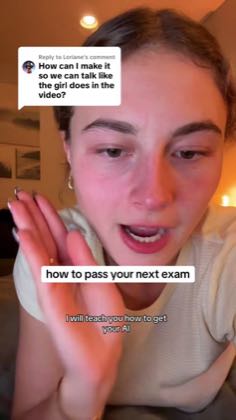
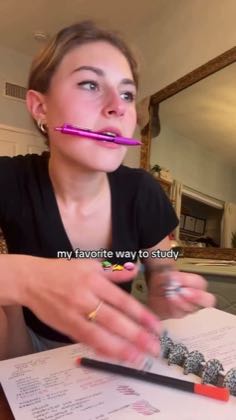
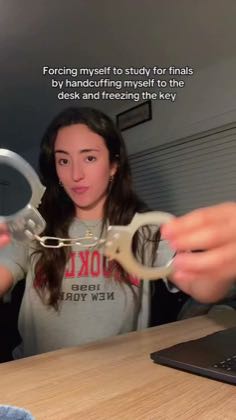
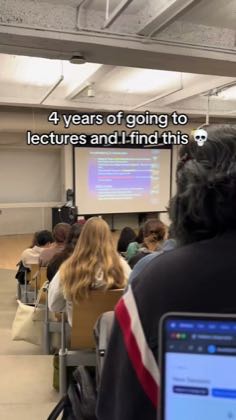
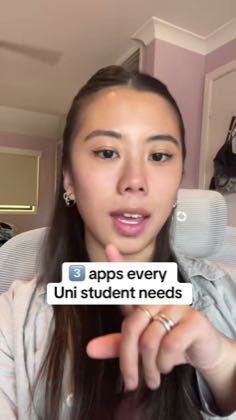
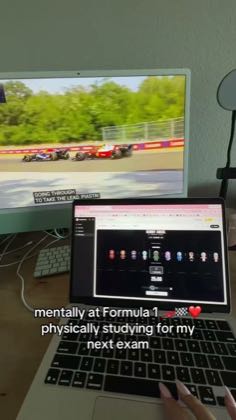
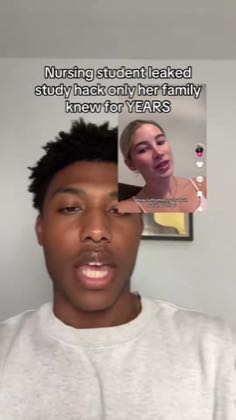
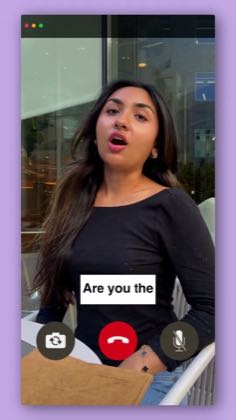
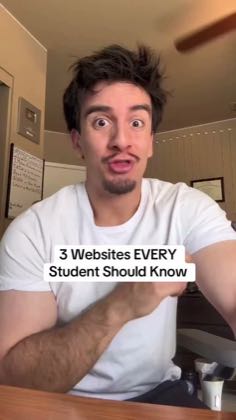
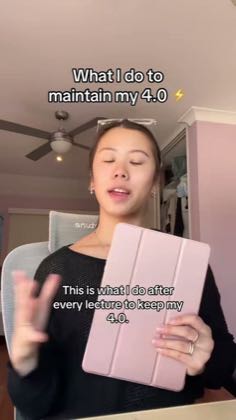
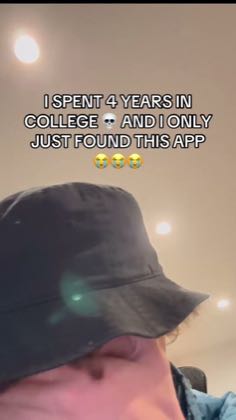
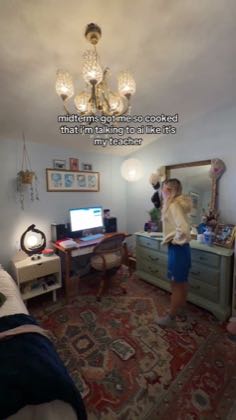
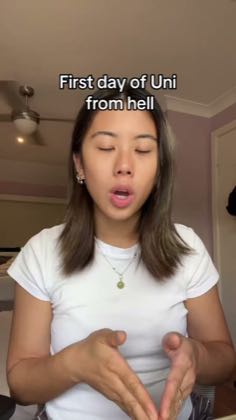
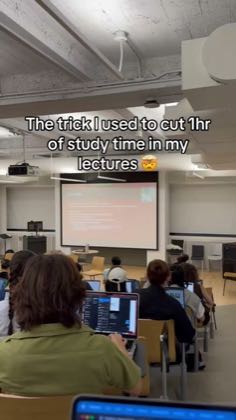
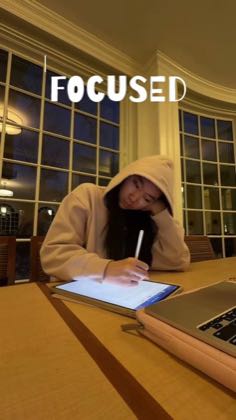
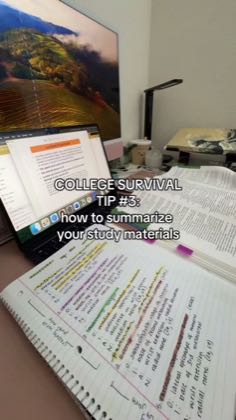
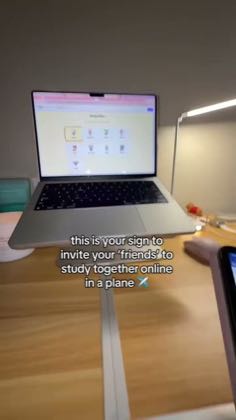
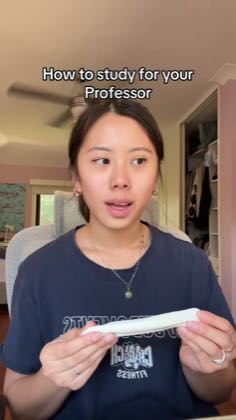
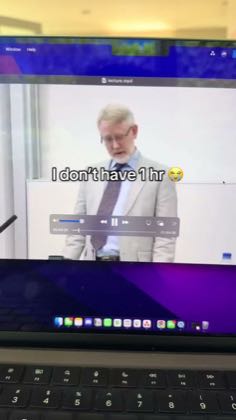
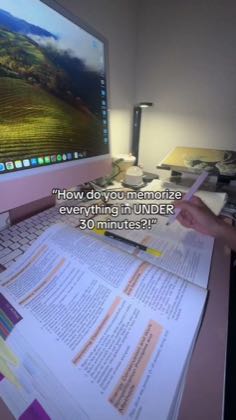
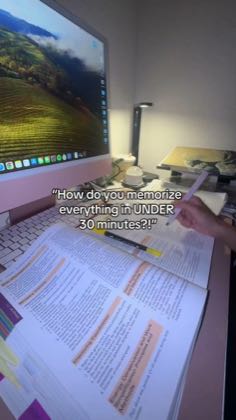
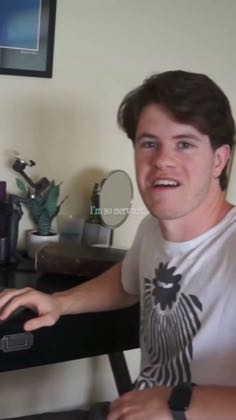
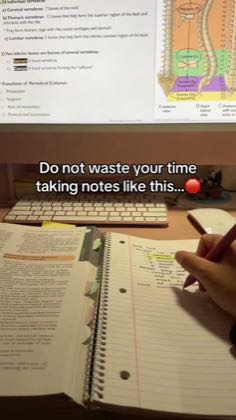
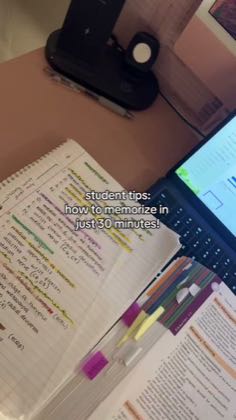
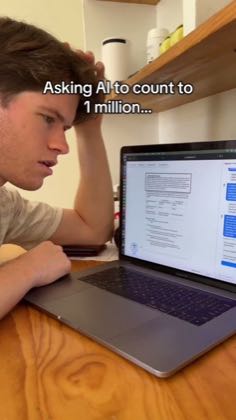
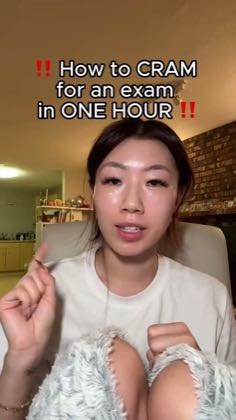
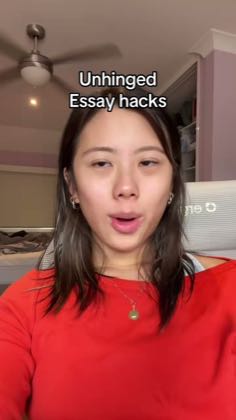
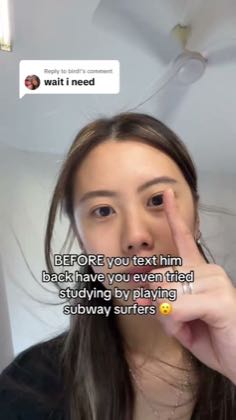
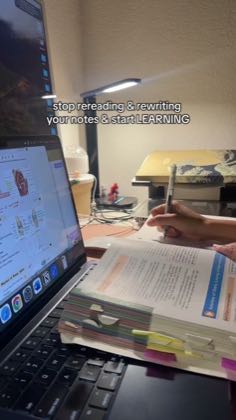
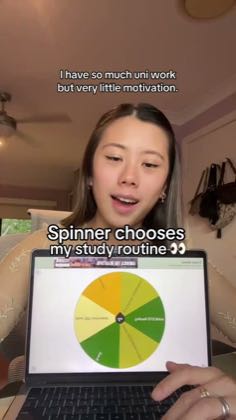
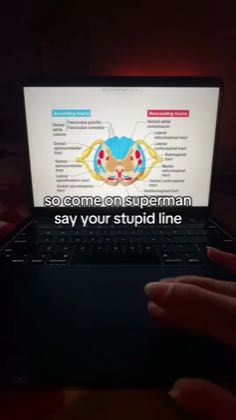
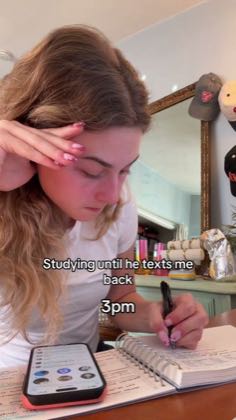
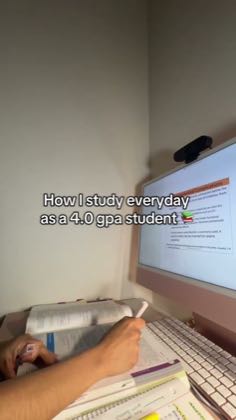
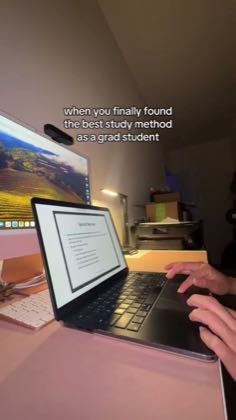
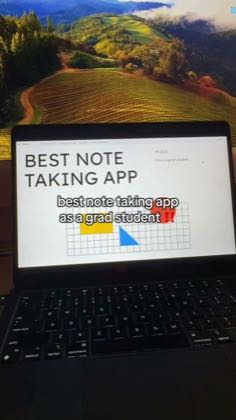
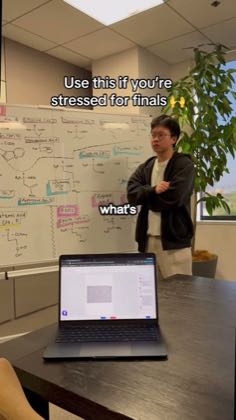
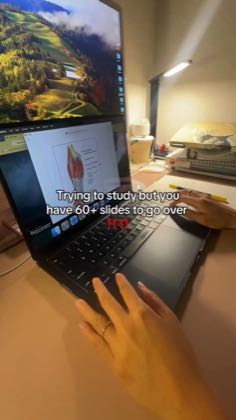
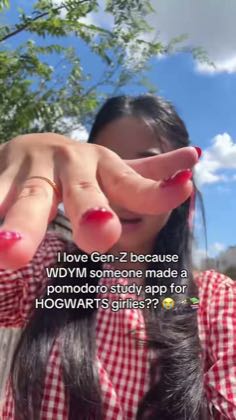
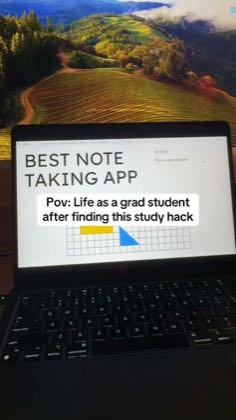
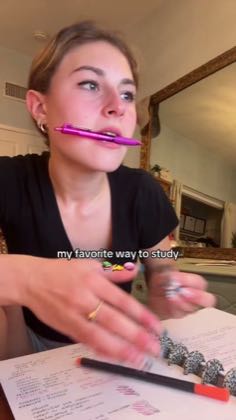
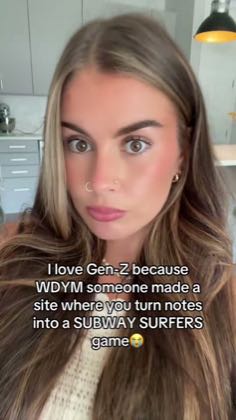
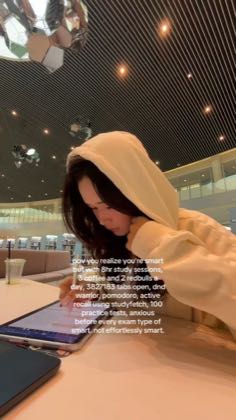
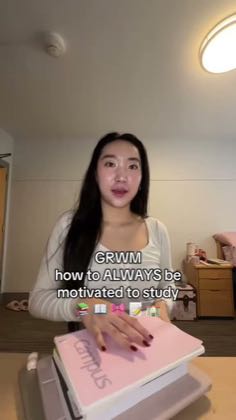
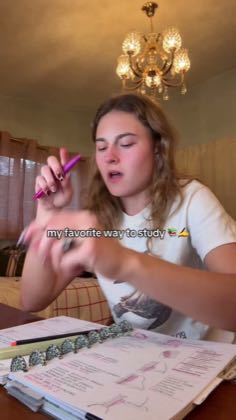
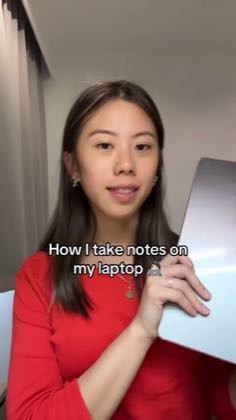
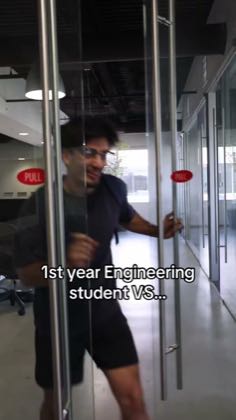
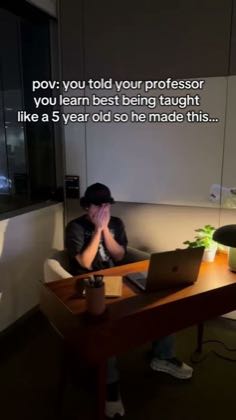
Across 315 fully audited public posts from 48 creators—267 TikToks, 36 YouTube videos and 12 Instagram Reels—the one-year sample shows a creator factory built to look like ordinary student media. The breakout play is not a product pitch: it starts with a hated study task, a Gen-Z joke or a Harvard/medical-student identity, then makes the product the native behavior that solves it.
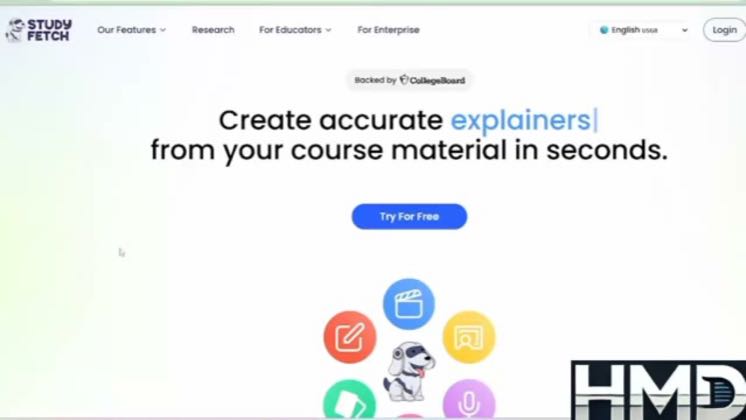
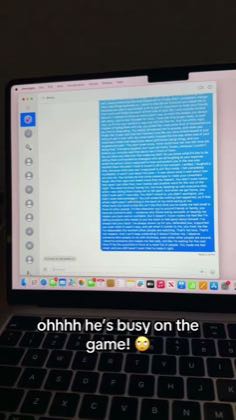
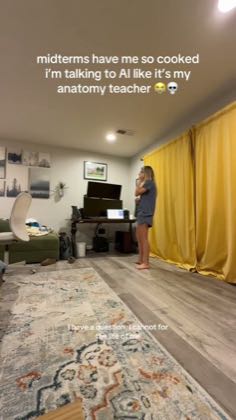
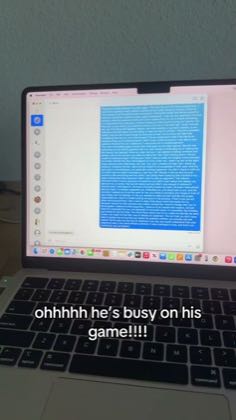
A silent screen recording that turns a relationship text into a StudyFetch game reached 35.5M public views; a StudyFetch-branded student account's live Spark.E anatomy exchange reached 6.8M. Together the sample's publicly exposed post metrics total 78.72M views, excluding Instagram posts whose anonymous pages did not expose views.
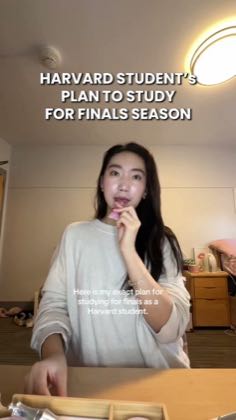
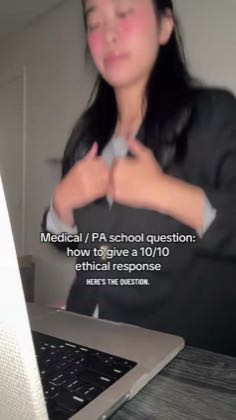
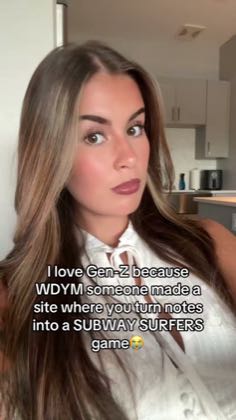
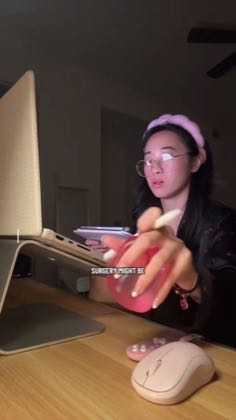
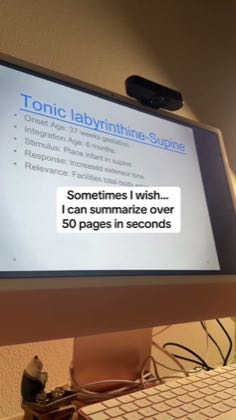
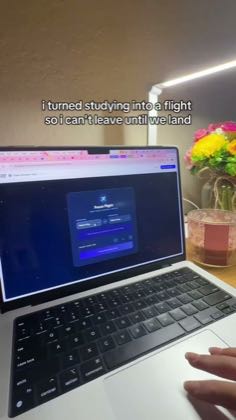
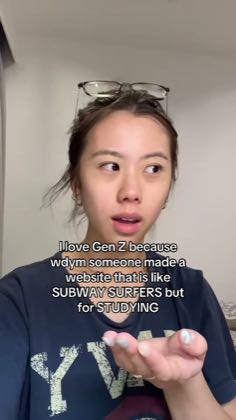
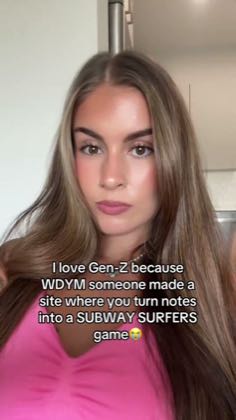
Seven repeatable plays explain the full set: turn notes into a Subway Surfers-style game; let Live Lecture take notes while the student pays attention; insert a summary or practice test into a Harvard study vlog; ground the AI tutor in the creator's real course deck; make one upload generate flashcards, tests and games; harvest YouTube “worth it?” search intent with a skeptical review; and remove narration entirely so music, one text hook and the interface carry the proof.
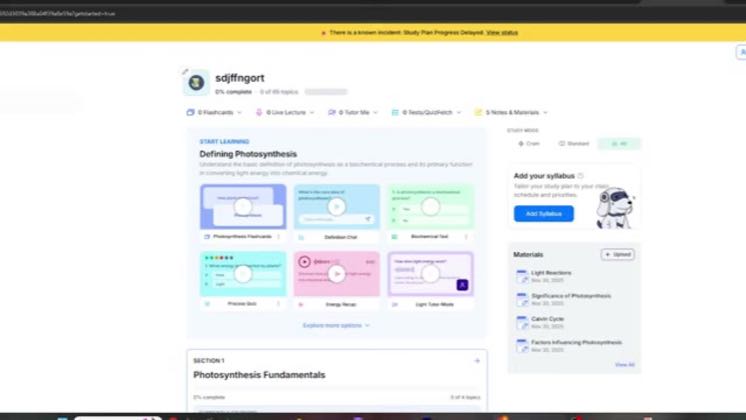
The CTA distribution fits that native posture: 175 posts make no ask and 64 only credit the brand, versus 47 link CTAs and 29 follow asks. Product evidence is still visible often enough to teach the workflow—108 posts keep real features or operation on screen, 120 use a lighter brand/output reveal, and 87 keep visibility low.
The paid system is explicit at brand level without being silently copied onto every post. In May 2026, StudyFetch CMO Kiran Desai described paying some established influencers five figures per month to launch new zero-follower accounts, plus a $100-per-100K-views performance bonus across a network numbering in the hundreds.
The live creator portal separately advertises earnings up to $1,200 per hour and says creator content has reached hundreds of millions of views. In the audited roster, public bios directly support 14 ambassador and five creator-program relationships; one Instagram Reel explicitly says `ad`; two independent YouTube reviewers explicitly deny StudyFetch sponsorship while comparing alternatives; and 26 relationships remain unknown.
Those account and program receipts describe standing relationships, not automatic proof that every post was paid. This is a stratified public sample, not a census. Discovery ran brand-first, creator-first and audience-first across 3,676 unique receipts, then locked 339 exact, eligible posts across TikTok, YouTube and Instagram.
Eleven items proved to be content-level noise only after full transcript/frame review, and 13 artifacts remained terminal failures after one bounded recovery, leaving 315 complete canonical audits. Videos over ten minutes were skipped before artifact work; failed metadata, hidden Instagram metrics and spoken-only mentions in recent-feed history remain explicit gaps rather than fabricated zeros.

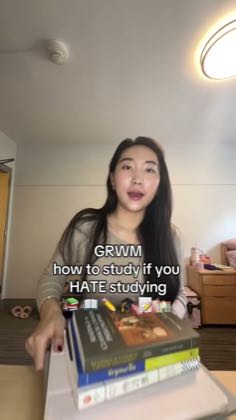 AMBASSADOR34.6×▶846.9K@Helaine StudyFetch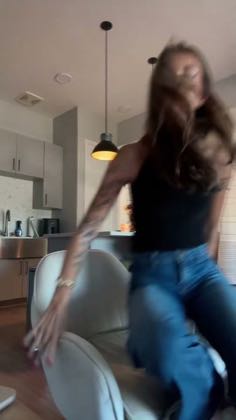
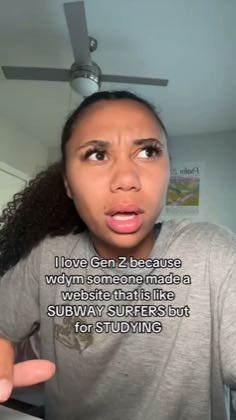
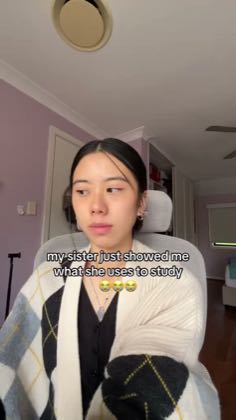
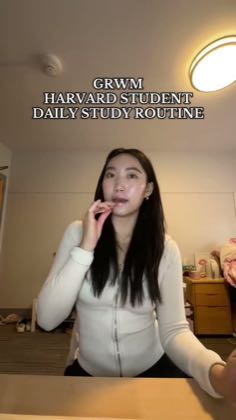 +1317creators ran it · 58 posts26 of 58 beat 2× their own median · best 35.5M · 9 past 100K