This is a 139-post, 33-creator sample across 131 TikToks, three Instagram Reels and five YouTube videos, not a market census. It contains 24 separately verified videos at or above 200K views: 85.6M, 52.3M and 21.9M from @ewephototips; 66.3M, 3.6M, 2.0M and 1.0M from Photoroom LATAM; 10.4M from Vietnamese creator @kalinhkitty; 4.0M from French video creator @ben_films; 3.9M from a disclosed seller-creative placement; 3.2M from @cedricyarish; 2.6M from an app-recommendation creator; 779K, 425K and 248K from Instagram editors @justinlesm and @nasionp; plus nine more 200K–886K breakouts.
A separate 56K background-removal tutorial from 1K-follower @gabstudio_tk sits far above the account's 1,550.5-view median, showing that relative breakouts are not confined to large channels. The smallest external account has five followers and frames PhotoRoom as an app-economics case study rather than a photo tutorial, broadening the sampled creator archetypes without implying scale.
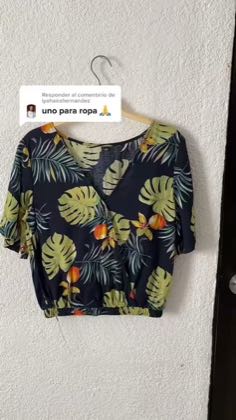
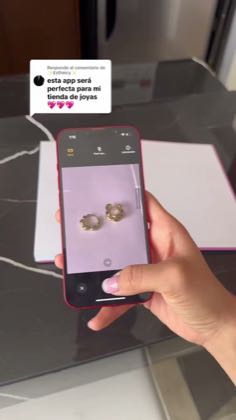
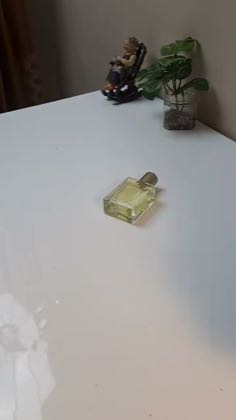
The latest expansion deliberately retains 25 lower-reach controls—one official post, eight @cornerforbusiness posts and 16 @marcphotoroom posts, all below 200K—rather than treating the breakout threshold as the only admissible layer. Those controls show the baseline system repeating even when reach is modest: seller pain, a visible phone-photo workflow and a buyer-ready asset recur across clothing, perfume, jewelry, skincare, logos and Shopify handoff.
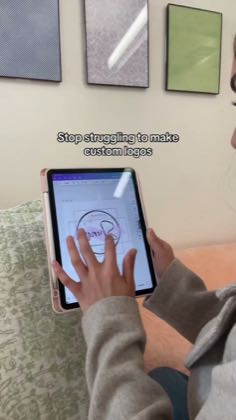
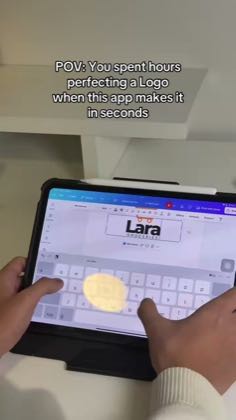
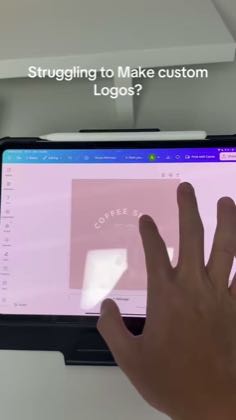
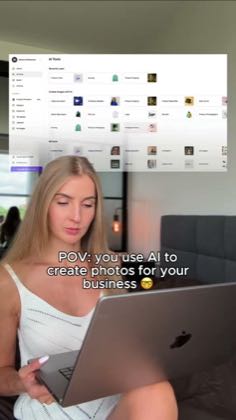
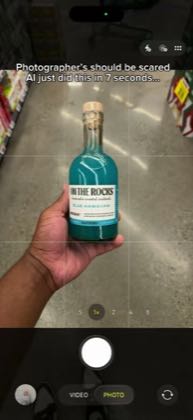
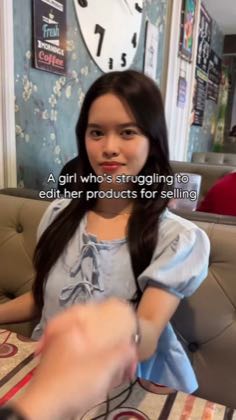
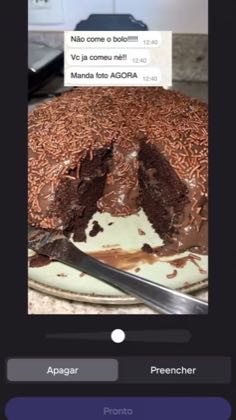
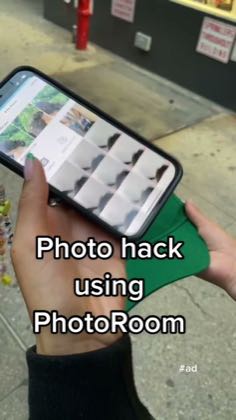
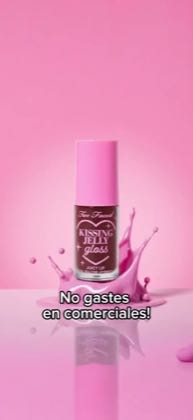
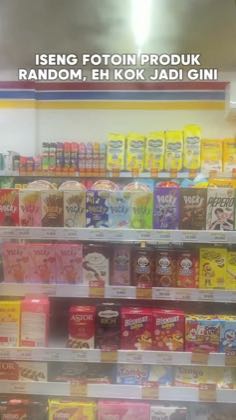
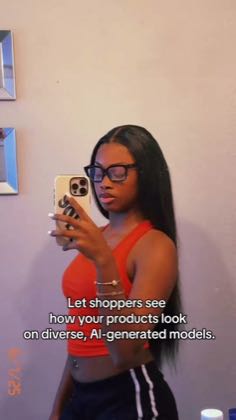
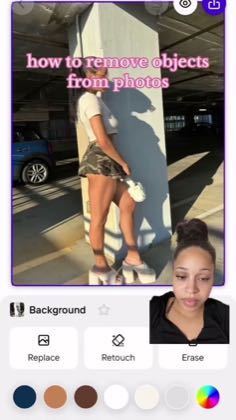
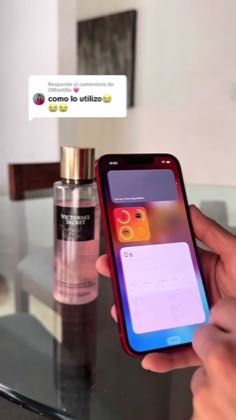
The outliers are not one genre: product staging, background removal, a cake-repair joke, inexpensive commercial creation, photo-to-beach replacement, AI logo creation, Virtual Model apparel and a cap-background hack all make the app UI itself the payoff.
What holds them together is the promise that an ordinary phone photo can become buyer-ready or publish-ready without a studio. There are two observable distribution paths. Dedicated or brand-shaped accounts give a large share of their recent feed to Photoroom (@gabrielle_photoroom 30/30, @marcphotoroom 30/30, @cornerforbusiness 29/30, @iviedits25 and @kalinhkitty 17/30 each), whereas verified paid placements borrow an existing audience. @marcphotoroom's handle, profile bio and repeated feed behavior prove brand-shaped attribution, not payment; its relationship therefore remains `unknown`.
Alexis Jacobo (2.2M followers) shows `#ad` and a bio-link download CTA; Sam's 337.2K-view post says `#ad`; Kendall's resale tutorial has `#ad`, a Paid partnership label and the `PHOTOROOMFRIENDS` purchase code. @photosbyjess carries six separate post-level `#ad` disclosures and independently names `photoroom affiliate` in the bio; other sampled posts omit `#ad` and remain attribution-only.
Those facts plus Dan - Smart Tutorials’ sponsored gallery workflow confirm seven disclosed placements and standing affiliate relationships, not payment for every other post. These disclosures prove placements, but do not disclose deal value or whether an affiliate commission sits alongside a base fee.
The official affiliate program separately offers 20% commission on eligible plans and explicitly asks partners for tutorials, before/after comparisons and Shopify, Etsy, Amazon or social-ad workflows. The sample therefore supports a focused conclusion: Photoroom buys and seeds creators around an ecommerce outcome, but lets each audience arrive through a different native story rather than repeating a generic AI-photo pitch.
YouTube scope now contains one brand-owned tutorial captured with public captions, one explicitly sponsored external product-gallery workflow, one low-reach organic control whose eight-second background-removal demo never delivers the free-premium method promised by its title, one organic Android installation guide that verifies the official publisher before opening a first editable canvas, and one organic claim-led explainer that describes batch and generated-background features over generic footage without opening PhotoRoom; additional external candidates remain unaudited where anonymous requests hit the platform's bot challenge.
Instagram coverage remains limited to three logged-in, browser-verified reels; anonymous profile pages did not expose comparable post data.
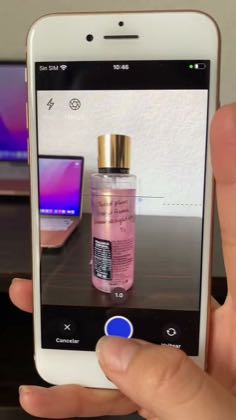 57K×▶66.3M@Photoroom LATAM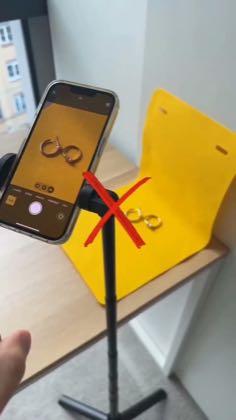

 +2125creators ran it · 67 posts31 of 67 beat 2× their own median · best 85.6M · 18 past 100K