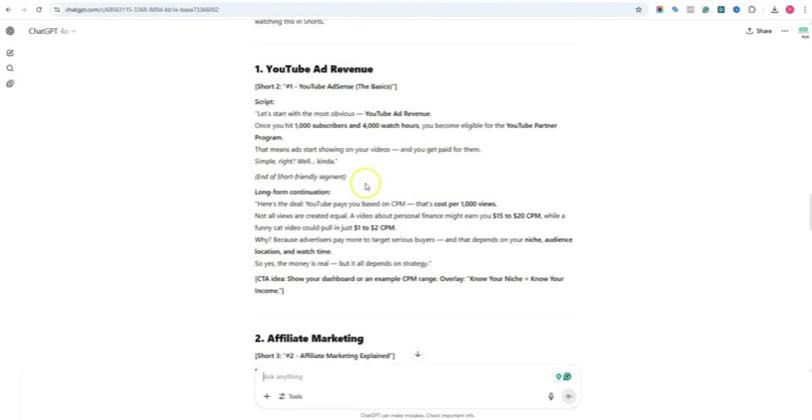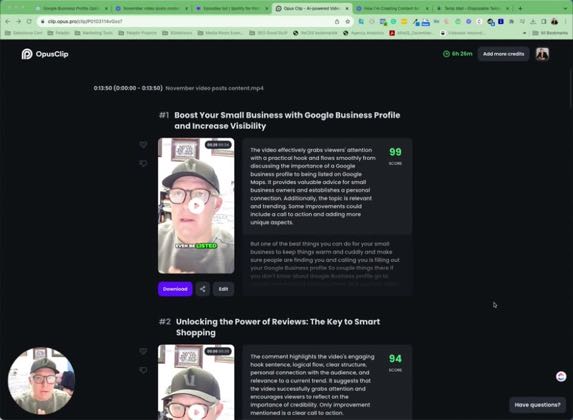
№1 Clipping side hustleMarket demand to sellable outputproven ✓Start with a trending podcast, auto-cut dozens of ranked shorts, publish to a fresh account, and sell the clipping output as creator-fund income or a client service.→
 881×▶2.5M@samy.tlb
Ces comptes TikTok font des millions sans effort1HOOK · resultLead with effortless millions0:00
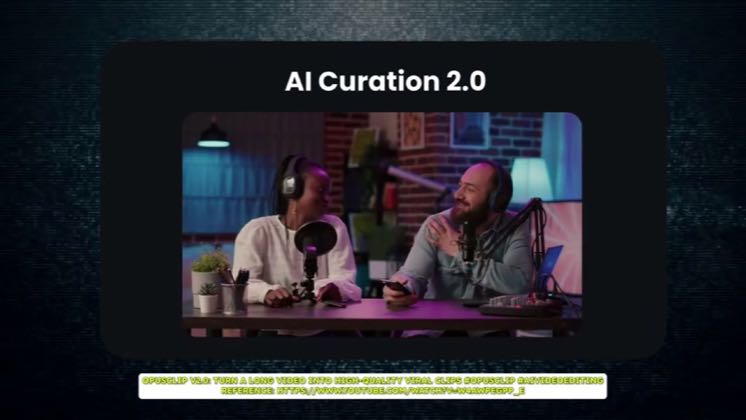
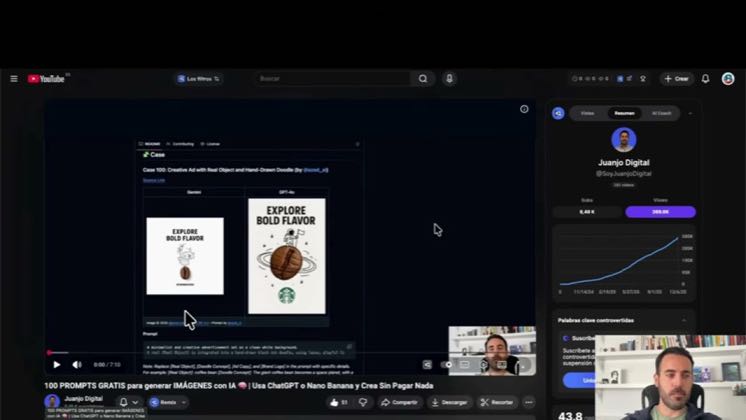
trouve un podcast long format qui est actuellement en tendance2Borrow a trending source0:03
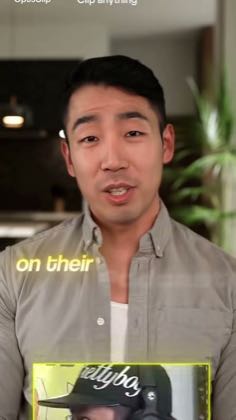
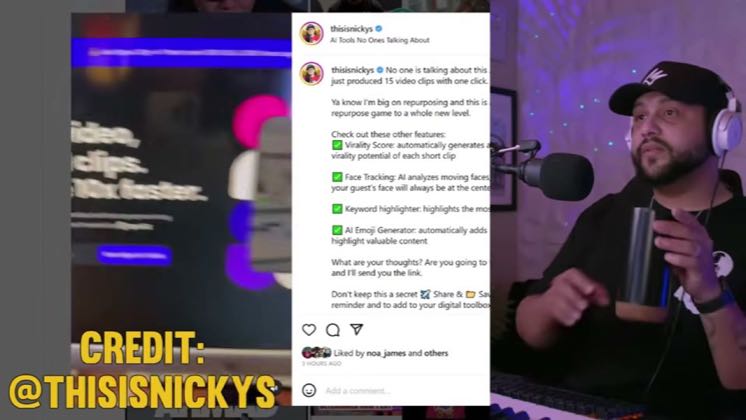
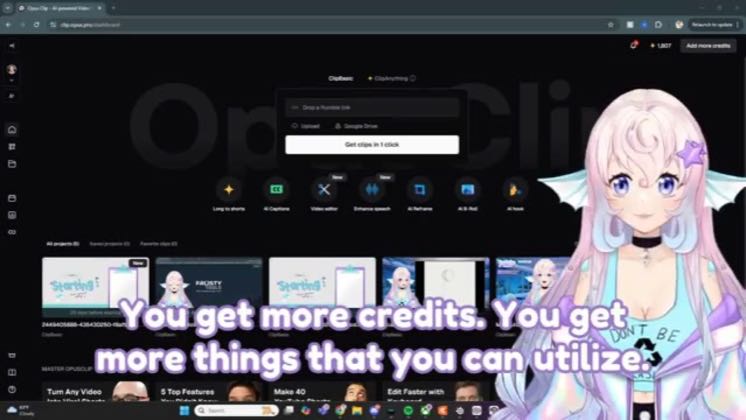
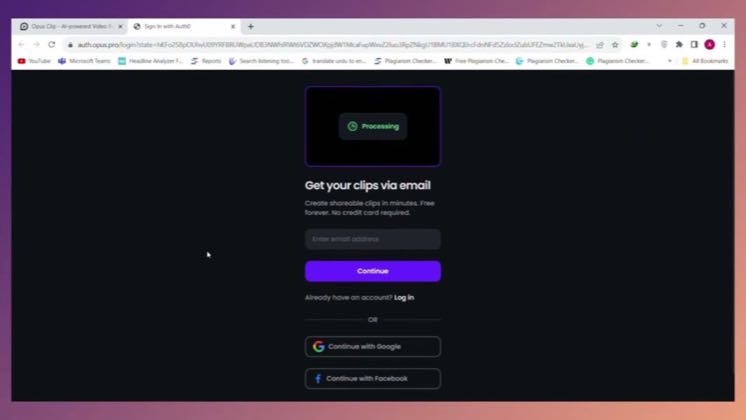
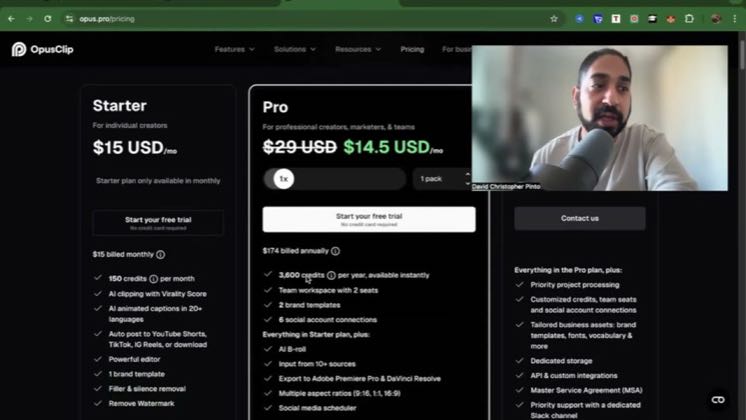
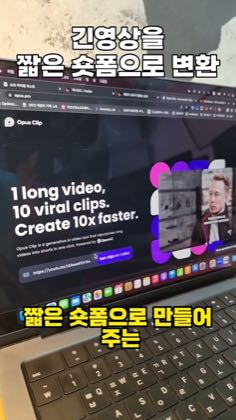
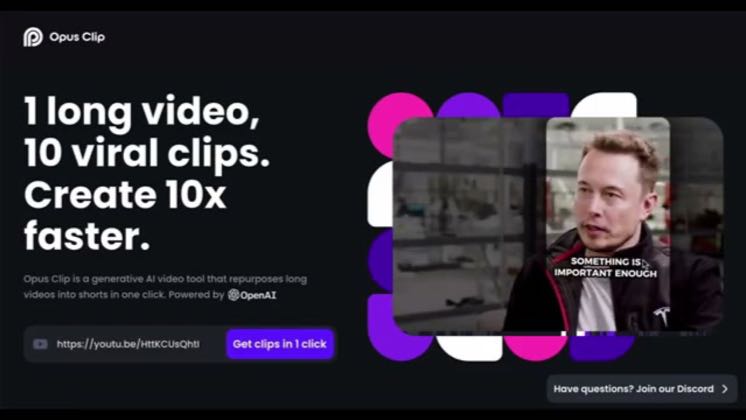
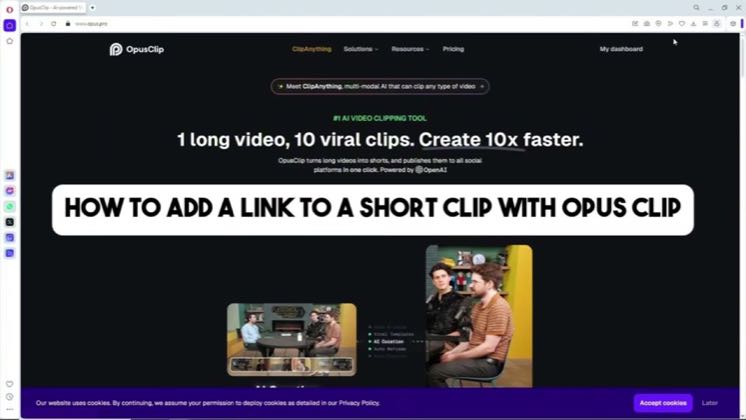
va sur opusclip.pro, insère le lien3Paste into the machine0:08
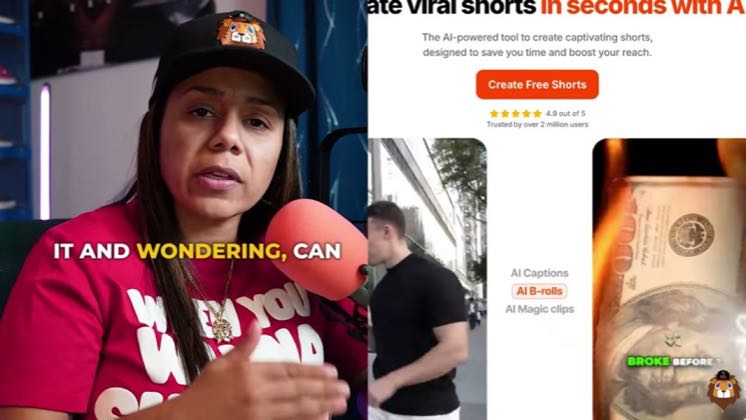
en des dizaines de petites vidéos4Multiply the source0:13
classées par ordre de potentielle viralité5Rank the bets0:17
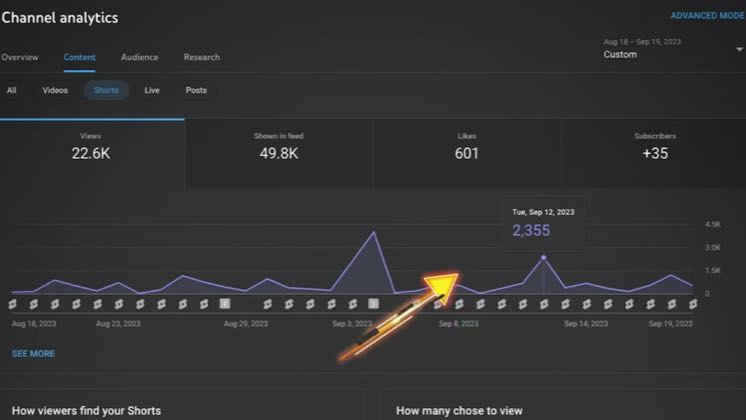
2.7Mviews tracked↑3.2×a typical post vs the creator’s own median

 +711creators ran it · 11 posts8 of 11 beat 2× their own median · best 2.5M · 1 past 100K
+711creators ran it · 11 posts8 of 11 beat 2× their own median · best 2.5M · 1 past 100K