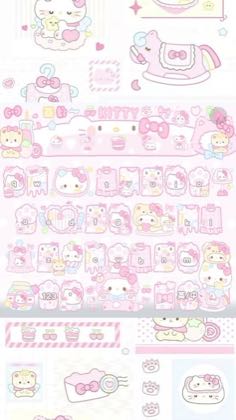
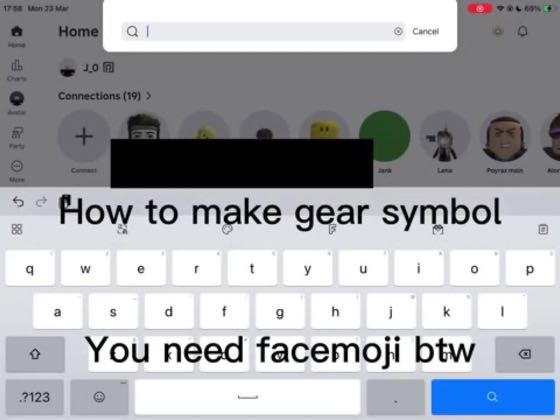
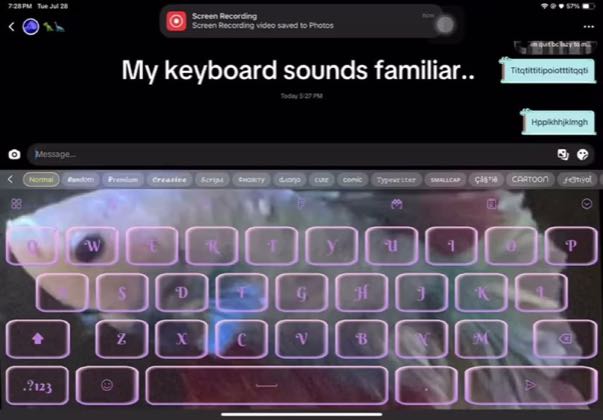
№1 Make the default keyboard feel socially behindNative story with late product insertionproven ✓Open with a person, relationship, or texting problem, then make backgrounds, fonts, emoji art or smart replies the visible upgrade rather than starting with an app tour.→
 190×▶282.3K@Real_Nextraker
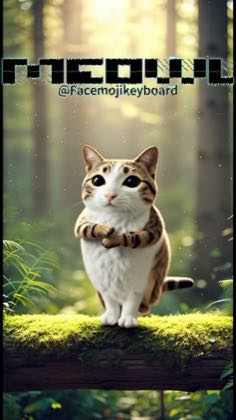
Wait, hold up, people are still using the default keyboard.1HOOK · problemChallenge the default0:00
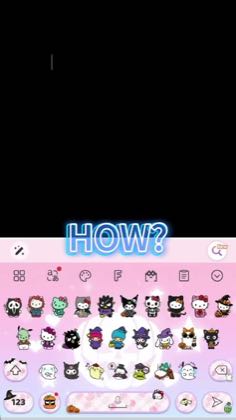
I switched to facemoji keyboard and instantly made my text look way more expressive.2Claim instant personality0:03
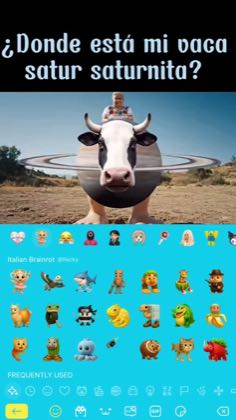
With facemoji, I customize backgrounds, use cool fonts, and even get smarter replies.3Stack visible proof0:08
It feels like my personality is finally showing in every message.4Make it identity0:13
Try facemoji now and upgrade your texting game today.5Close on the behavior0:16
2.6Mviews tracked↑0.9×a typical post vs the creator’s own median

 +48creators ran it · 9 posts1 of 9 beat 2× their own median · best 680.4K · 7 past 100K
+48creators ran it · 9 posts1 of 9 beat 2× their own median · best 680.4K · 7 past 100K